


-

Add: HeBei ShengShi HongBang Cellulose Technology CO.,LTD.
-

Email
13180486930@163.com -

CONTACT US
+86 13180486930

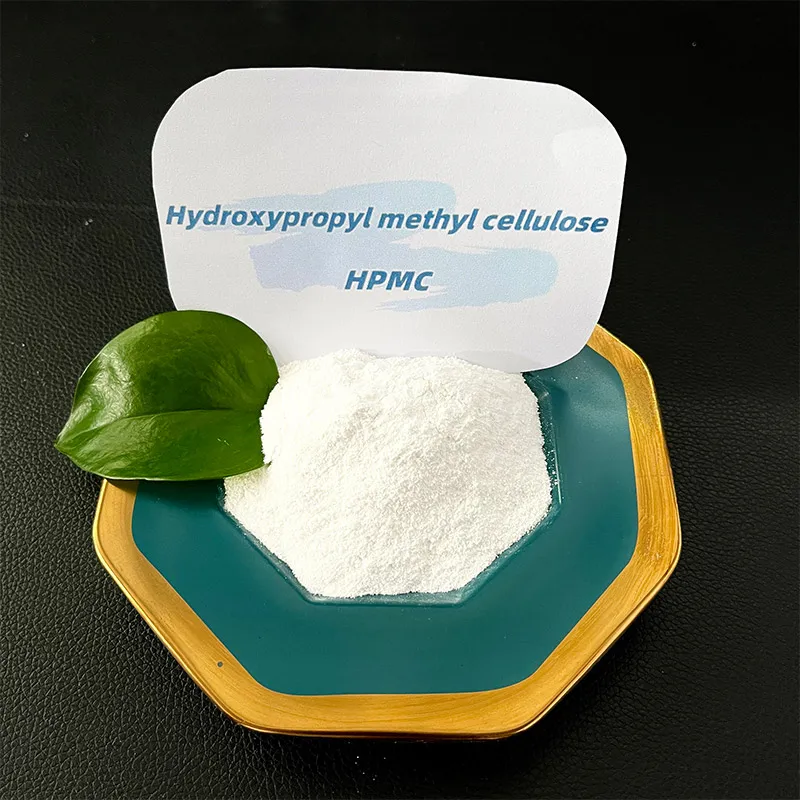



Hydroxypropyl Methylcellulose (HPMC) has seen a surge in demand across various industries, making the buying process an area of great interest. For those seeking to purchase HPMC, having a comprehensive understanding of the product, coupled with insights from industry professionals, is essential. An important characteristic of HPMC is its versatile applicability. With its non-toxic, tasteless, and odorless attributes, it is commonly used in pharmaceuticals, construction, food, and personal care products. In pharmaceuticals, HPMC acts as a binder and time-release agent, ensuring effective delivery of active ingredients. For construction, it enhances water retention and workability in products like cement and mortar, showcasing its pivotal role in the building sector. Purchasing HPMC demands expertise from industry insiders who emphasize the importance of quality . Experts recommend sourcing from certified manufacturers who adhere to international standards such as ISO and GMP. These certifications guarantee that the HPMC is manufactured under stringent quality control, ensuring product reliability and safety for end-users. Real-world experience highlights the importance of considering particle size and viscosity levels when buying HPMC. Different applications require specific viscosity ranges; for instance, higher viscosity HPMC is ideal for tile adhesives, whereas lower viscosity types might be better for pharmaceutical applications. Experienced professionals suggest requesting product samples to conduct application-specific tests before making bulk purchases. This not only ensures compatibility but also prevents potential product wastage. Authoritative voices in the industry emphasize the significance of understanding regional regulations. Product compliance can often vary depending on geographical location, affecting the import and usage of HPMC. Therefore, it is advisable to consult with regional experts and legal advisors to navigate through these regulatory frameworks effectively. hpmc buy Trustworthiness in the HPMC supply chain is another crucial factor. Buyers are advised to perform due diligence on suppliers. This includes reviewing company histories, customer testimonials, and case studies. Opting for suppliers with a proven track record, robust customer support and transparent business practices can significantly diminish risks associated with quality and delivery schedules. For ensuring seamless transactions, economic considerations play a pivotal role. Bulk purchasing can lead to significant cost reductions. However, financial experts suggest balancing purchase volume with inventory management to avoid overstocking, which could lead to increased holding costs. Developing a strategic purchasing plan with flexible terms can optimize financial outcomes while securing a steady supply of HPMC. Finally, leveraging technology can greatly aid in the HPMC procurement process. Utilizing supply chain management software can streamline operations, providing real-time updates on inventory levels, shipment tracking, and vendor communication. Such tools enhance efficiency, ensuring that the acquisition process aligns with business objectives. In conclusion, buying HPMC involves a blend of understanding its applications, ensuring quality through certified suppliers, adhering to regulations, establishing trust with vendors, managing economic factors wisely, and incorporating technological solutions. By focusing on these aspects, businesses can make informed decisions, optimizing the benefits of HPMC across their respective industries.
- 40000tons

Production
- 20+years

Experience
- 5000+㎡

Acreage

-

Exploring the Intricacies of Hydroxyethyl Starch (HES) A Critical Product Insight Hydroxyethyl starch (HES) is a synthetic derivative of amylopectin, a polysaccharide that has carved a niche for itself in the medical field as a plasma volume expander. The significance of HES lies in its ability to mimic the colloidal properties of human plasma, rendering it instrumental during surgeries and in managing cases of hypovolemia, where blood volume is critically low. This article delves into the complexities of HES, offering an experience-driven, expert, and authoritative narrative that is both informative and trustworthy. In medical practice, the utility of HES is multifaceted. Its primary function is to stabilize patients undergoing major blood loss by maintaining hemodynamic parameters. Over the years, various formulations of HES have been developed, each differing in molecular weight and degree of molar substitution, influencing both their efficacy and safety profiles. The unique behavior of HES in the human body depends heavily on these characteristics, which are crucial for appropriate clinical applications. From a clinical perspective, the choice of using HES over other volume expanders depends on several factors. Experience from various case studies indicates that HES is favored in scenarios where rapid plasma volume expansion is necessary. Its ability to prolong intravascular retention without causing a rapid shift of fluids into the extravascular space is one of its most valued traits. Experts emphasize the importance of understanding the pharmacokinetics of HES, highlighting that products like HES 130/0.4 are optimized for their balance between effectivity and safety. hes hydroxyethyl starch Expertise in the administration of HES is vital. With growing concerns regarding the safety of synthetic colloids, it becomes essential to ensure accurate dosing based on the patient's physiological status and the severity of hypovolemia. Recent research supports cautious use, advocating for monitoring kidney function due to potential nephrotoxic effects especially in critically ill patients. This aligns with findings from several controlled studies revealing that HES can impact renal outcomes dependent on product type and patient status, reinforcing the need for careful patient selection. The regulatory landscape surrounding HES underscores the importance of authoritative guidance. Regulatory bodies like the U.S. FDA and the European Medicines Agency have issued guidelines and warnings regarding its use, primarily aimed at restricting it to situations where benefits outweigh risks. These organizations stress the necessity for healthcare providers to exercise clinical judgment, backed by authoritative recommendations, ensuring that the use of HES aligns with current safety standards. Trustworthiness in HES usage also translates to transparency in patient communication. Ensuring patients are aware of the potential risks and benefits associated with HES formulations is critical. Informed consent becomes more than a formality; it is a cornerstone of patient care that fosters trust and compliance. This integrative approach not only supports patient autonomy but also facilitates better clinical outcomes by aligning patient expectations with therapeutic goals. In conclusion, hydroxyethyl starch remains a significant tool in the arsenal of volume expanders within medical settings . While its usage requires a delicate balance of experience, expertise, and cautious regulation adherence, its benefits—when deployed appropriately—are irrefutable. Ongoing research and evolving guidelines will continue to shape the landscape of HES application, reaffirming the need for a thorough understanding of its nuances by healthcare professionals. This ensures not only optimal patient outcomes but also fortifies the standing of HES as a trusted and reliable medical product in managing plasma volume deficits.
-
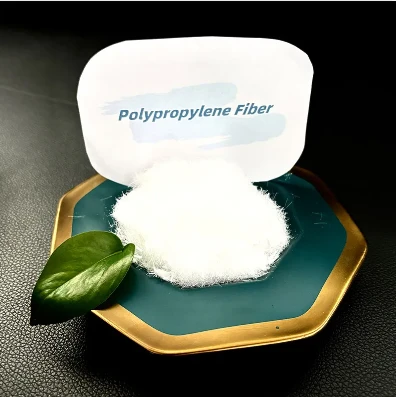
The Growing Importance of PP Fiber Concrete in Modern Construction In the ever-evolving landscape of construction materials, polypropylene (PP) fiber concrete has emerged as a noteworthy innovation that enhances the performance of traditional concrete. This article explores the significance of PP fiber concrete, its properties, applications, and the benefits it brings to modern construction. Understanding PP Fiber Concrete PP fiber concrete is a composite material that incorporates polypropylene fibers into traditional concrete mix. These fibers, typically ranging from 0.5 to 1.5 inches in length, are designed to improve the structural integrity of the concrete. They act as reinforcement, providing a secondary layer of strength that helps to mitigate various forms of damage that can occur during curing and throughout the life of the structure. Key Properties of PP Fiber Concrete One of the most notable properties of PP fiber concrete is its ability to reduce plastic shrinkage cracking. During the curing process, traditional concrete is susceptible to environmental factors such as temperature fluctuations and evaporation of moisture, which can lead to stress and cracks. The integration of polypropylene fibers helps to control these cracks by providing a linking mechanism, which allows stress to be distributed more evenly throughout the concrete. In addition to crack resistance, PP fiber concrete also offers enhanced toughness and impact resistance. The fibers absorb and dissipate energy when forces are applied, making it suitable for applications where durability is paramount. Moreover, the use of PP fibers improves the concrete's resistance to freeze-thaw cycles, making it an ideal choice for structures exposed to varying climatic conditions. Applications of PP Fiber Concrete The versatility of PP fiber concrete lends itself to a wide range of applications across various sectors of the construction industry. It is commonly used in - Industrial Flooring Due to its high durability and resistance to impact, PP fiber concrete is often utilized for industrial flooring where heavy machinery operates. The fibers help to maintain the structural integrity even under heavy loads. pp fiber kongkreto - Pavements and Roads The use of PP fiber in pavement designs has shown to improve the longevity of roads and pavements. It helps reduce wear and tear caused by traffic, leading to lower maintenance costs over time. - Precast Elements In the production of precast concrete components such as walls, beams, and slabs, incorporating PP fibers can enhance performance and reduce the risk of cracking during casting and transportation. - Water Retaining Structures PP fiber concrete is also beneficial in the construction of water tanks and reservoirs, as it minimizes the risk of leakage that can arise from cracking. Benefits of Using PP Fiber Concrete The adoption of PP fiber concrete presents multiple advantages beyond enhanced performance. Firstly, it can lead to significant cost savings over the life cycle of a structure. By reducing the incidence of cracking and the need for repairs, construction companies can optimize their budgets and allocate resources more efficiently. Secondly, the use of PP fibers can contribute to more sustainable construction practices. A lower incidence of repair and maintenance means that materials are conserved, and waste is minimized, aligning with environmentally friendly building standards. Lastly, the integration of PP fibers into concrete mixes is straightforward and does not require specialized equipment. This ease of incorporation allows for its adoption in various construction scenarios without significant changes to existing processes. Conclusion As the construction industry continues to face challenges related to durability, sustainability, and cost efficiency, the emergence of materials like PP fiber concrete represents a significant advancement. Its ability to enhance concrete's performance while providing practical solutions for modern construction needs positions it as a valuable asset in the quest for more resilient infrastructure. With the ongoing research and development in this field, PP fiber concrete is set to play a crucial role in shaping the future of construction.
advantages
-

200000 Viscosities
Excellent product
We can produce pure products up to 200,000 viscosities
-

40000 tons
High yield
We don’t stop production all year round, and the annual output can reach 40,000 tons
-

24 hours
Quality service
We provide 24-hours online reception service, welcome to consult at any time
———— Inquiry Form
Schedule A services
-
 modified_starch_price
Oct . 25, 2025
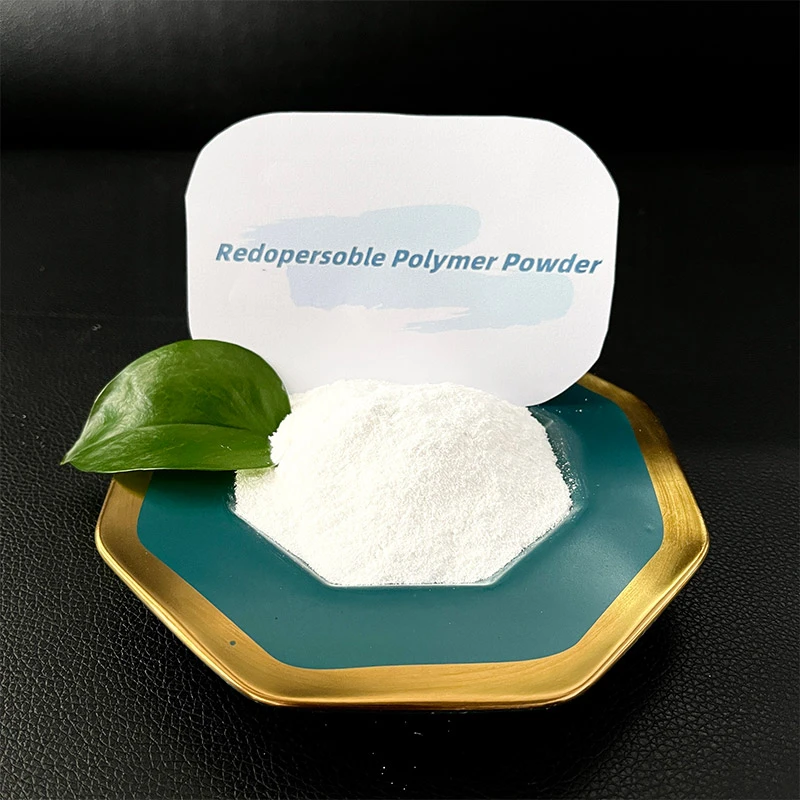
Hydroxypropyl Methylcellulose (HPMC) E6 stands out as an unparalleled option in the field of industr -
 hydroxypropyl_methyl_cellulose_hs_code
Oct . 25, 2025
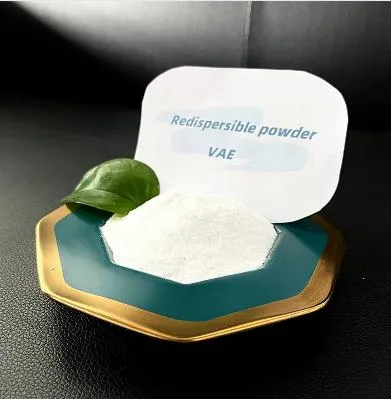
Starch derivatives are a vital component in a myriad of industries, offering versatility and functio -
 fibre_de_beton_en_polypropylene
Oct . 25, 2025
Understanding Wood Cellulose Its Nature and Importance Cellulose is a complex carbohydrate that is a


